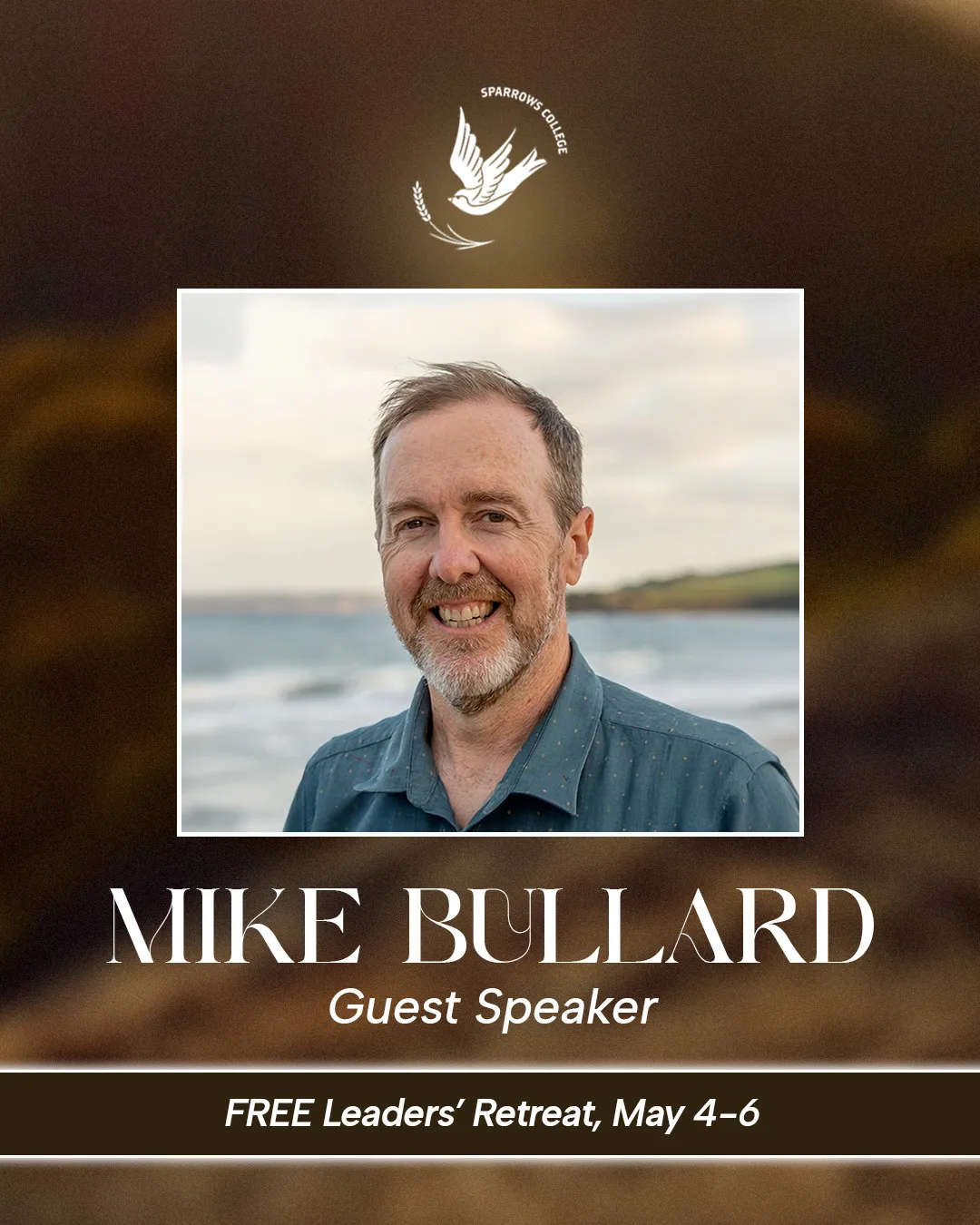
Mike Bullard has experience in both large and small churches and has worked in leadership roles at a State level with various denominations. Mike has also taught at several Bible colleges, served as a missionary overseas, and is currently a lecturer with Sparrows College. A note from Mike for the upcoming retreat:
I wonder if you can identify who the following words are about?
“On that day there was a great celebration in the city of Jerusalem … people went out to meet the coming king. There was a crowd singing hymns of praise and thanksgiving, while carrying palm branches and playing harps, cymbals, and lyres.”
Easy question perhaps. It sounds very like Jesus on Palm Sunday. And it is very much like that. But these words are not written about Jesus.
They’re written in the book of Maccabees about a Jewish freedom fighter, Simon Maccabeus. Simon, after many battles, entered Jerusalem in 164 BC in victory. These words describe that entry. He came in power, with a sword, having overcome his enemies, the Seleucids. The nations had been conquered. Israel’s God had prevailed in battle.
Approximately 194 years later, Jesus enters Jerusalem. There are some similarities. But there are key differences. Jesus does not come bearing a sword. His crown is made of thorns. Jesus does not come to conquer the nations but to save them. His “lifting up” will involve him being raised up on a cross in public humiliation.
Strength in the New Testament is different than in the Old. Jesus’ “triumphal” entry shows this. Paul later reflects on Jesus’ words, saying, “My power is made perfect in weakness.” In this part of the retreat, we’ll take some time to recover the true strength that comes in our weakness.
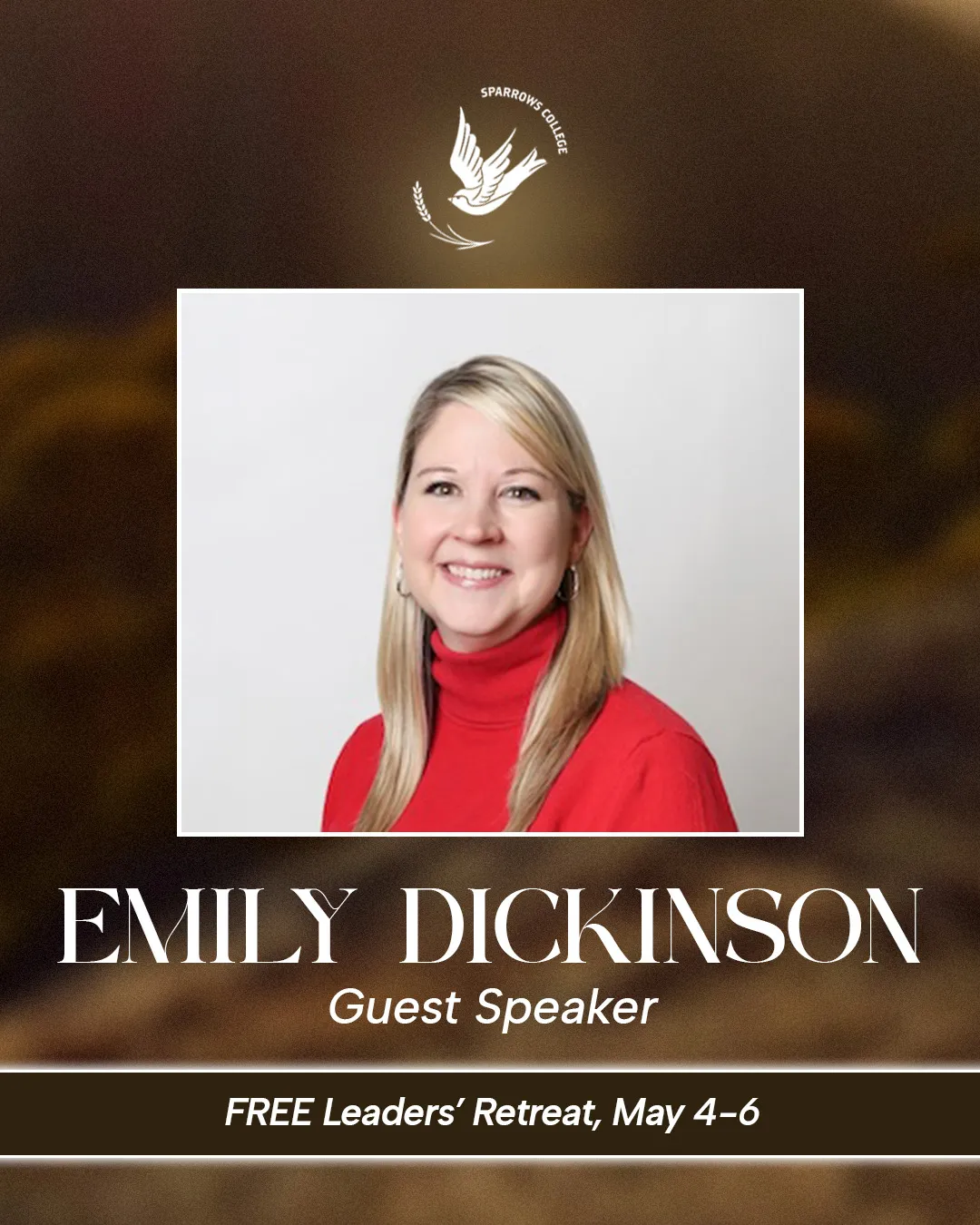
Emily is a pastor and soul care practitioner with over 12 years of experience in local church ministry. With a background in social work, leadership coaching, pastoral supervision, and theological training, she brings a deeply holistic approach to supporting Christian leaders.
She has journeyed alongside pastors, church teams, and leaders across both ministry and business contexts, creating spaces where people can be honest, rest deeply, and reconnect with God.
At the retreat, Emily will focus on the tension between productivity and spiritual flourishing in ministry life. Drawing on Bette Dickinson’s The Art of Vinemaking and her own book, Mend the Nets: A Restoration Journey for Pastors, she will reflect on how striving can quietly shape the way we lead, and invite pastors into the slower, deeper work of abiding in God.
Through reflection and practical practices, she will guide leaders in cultivating rhythms that nurture spiritual health, allowing fruitfulness to flow from relationship rather than effort.
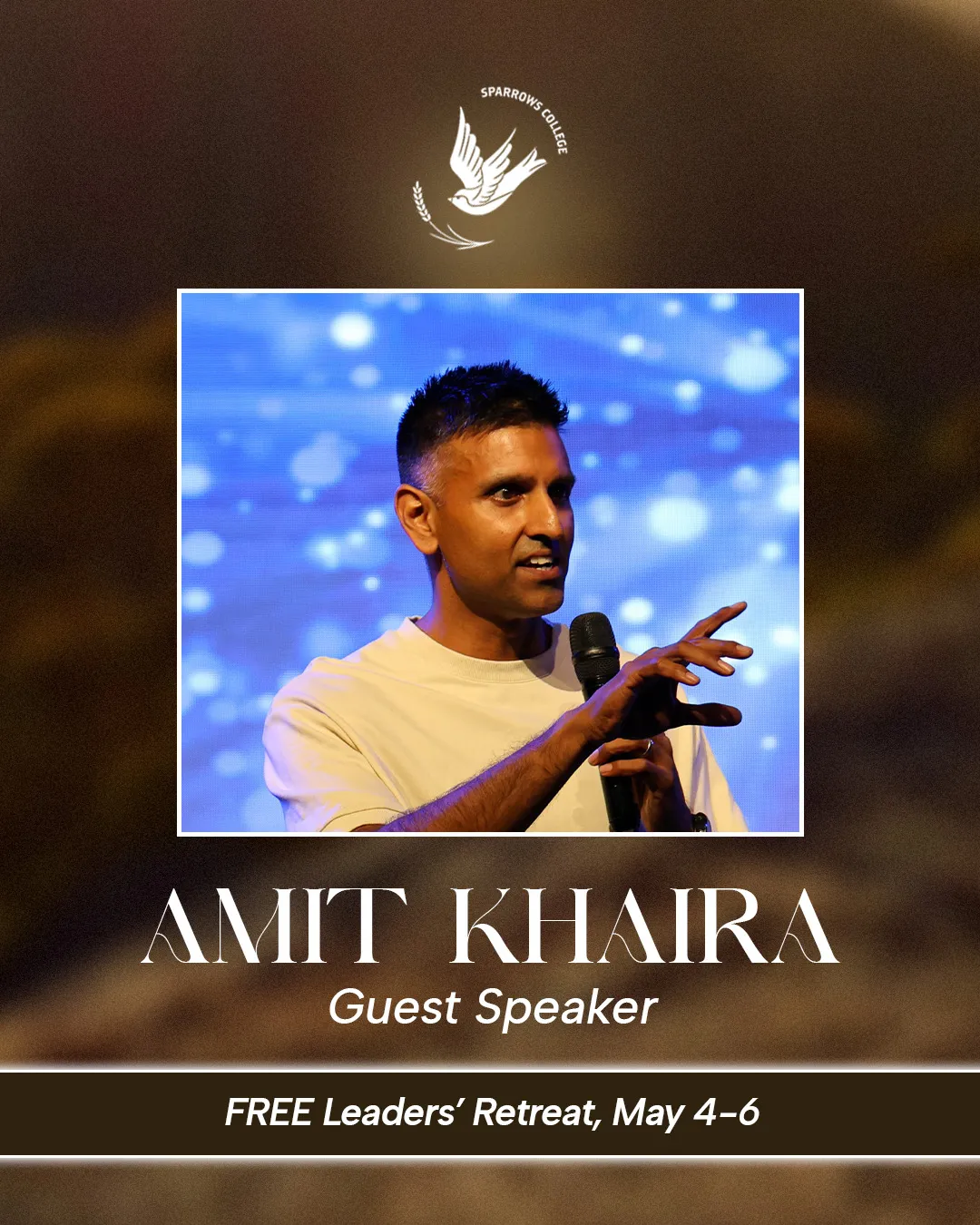
Over the past two decades, Amit has had the privilege of walking alongside young people and communities across diverse contexts and cultures. His journey has been shaped not only by opportunities to lead and serve, but also by seasons of limitation, failure, and suffering. These experiences that have formed in him a deeper commitment to listening, presence, and humility.
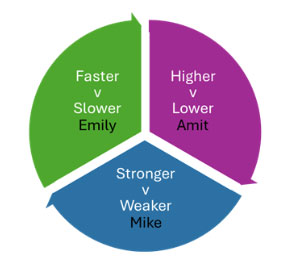
In a world that often celebrates “higher, faster, stronger,” Amit is increasingly drawn to the way of Jesus - a way marked by going lower, moving slower, and embracing weakness as a place where true strength is revealed. Rather than striving for quick outcomes or visible success, Amit seeks to cultivate spaces where people can be present, attentive, and open to transformation (like this retreat!), believing that lasting change rarely grows through pressure or performance, but through faithful presence, quiet courage, and shared journey.